Pacing for Endurance Athletes
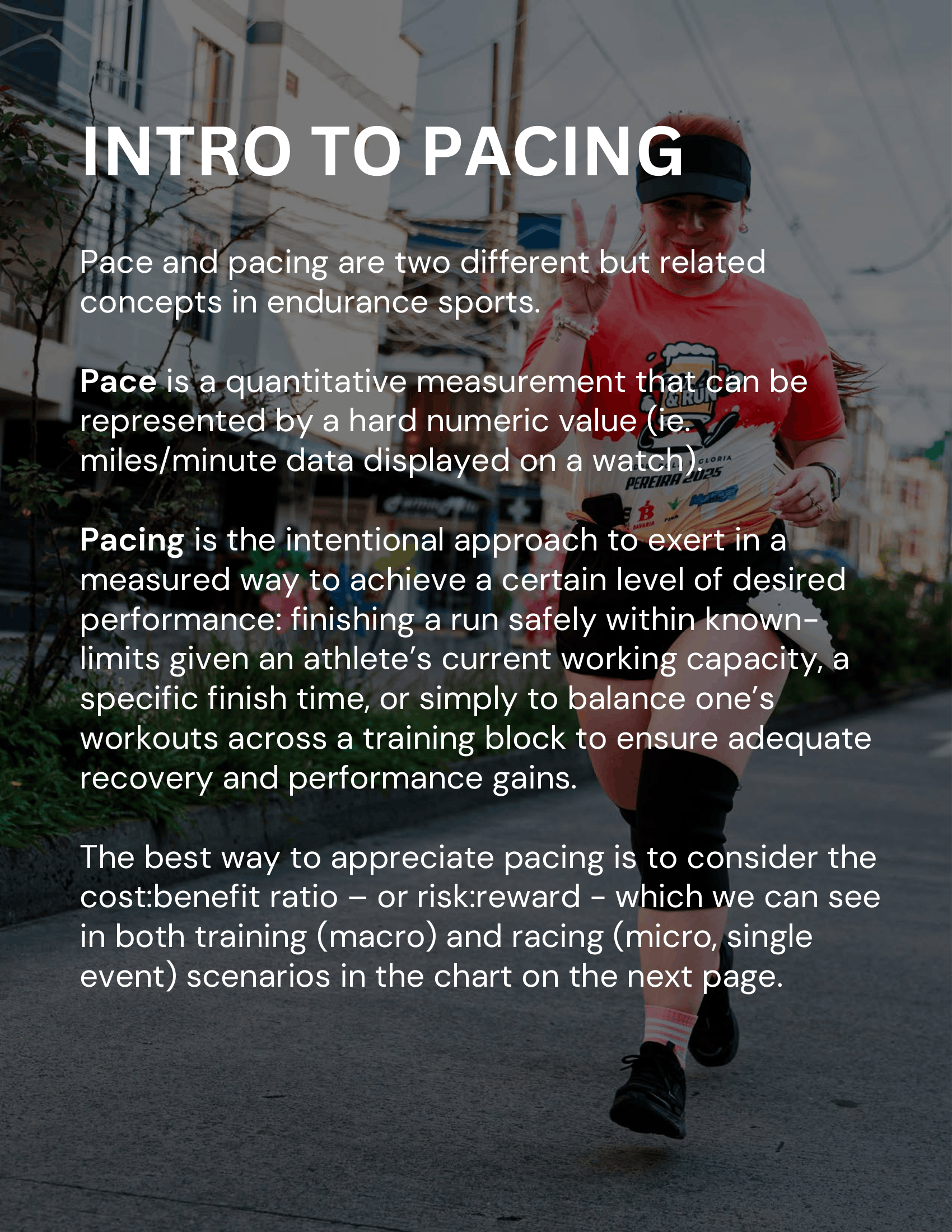
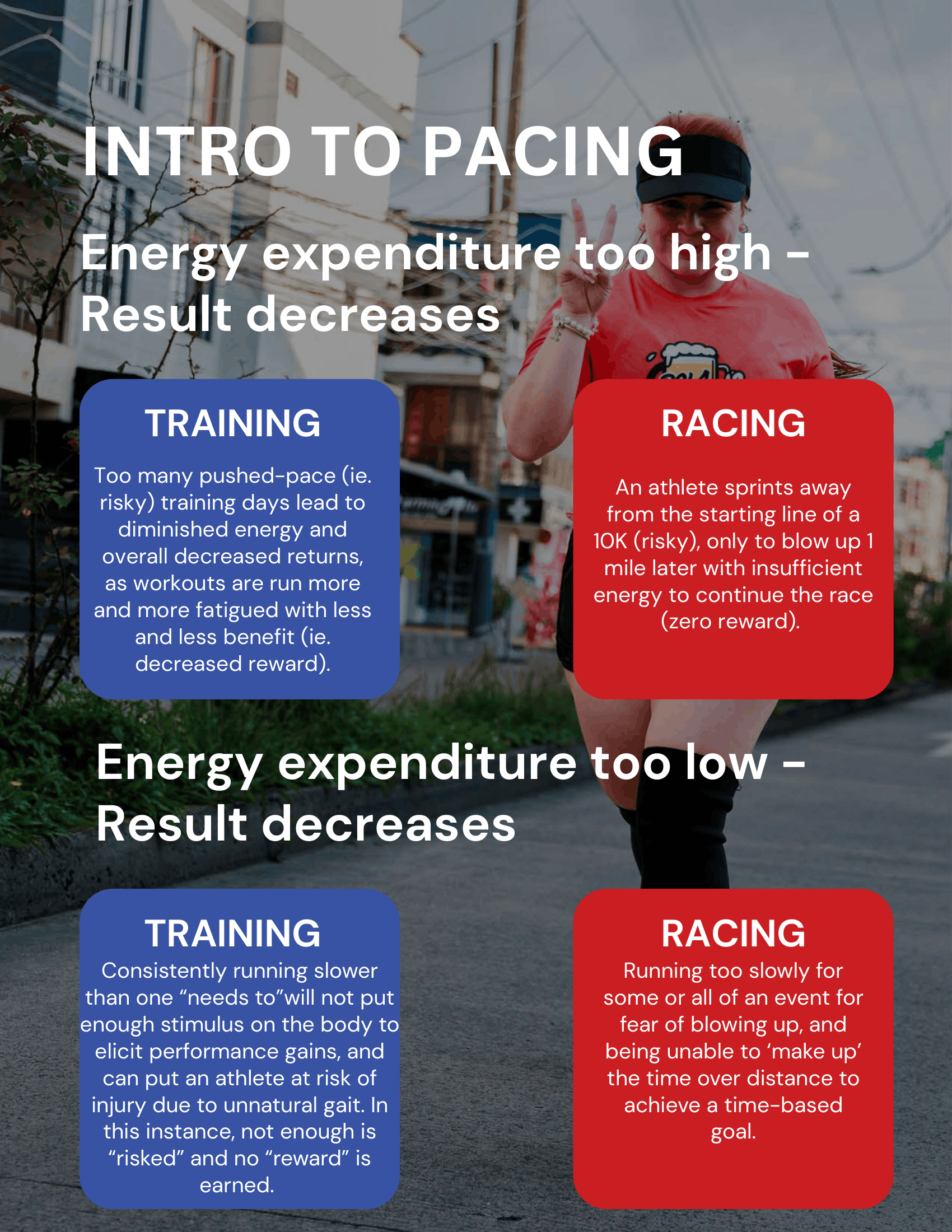
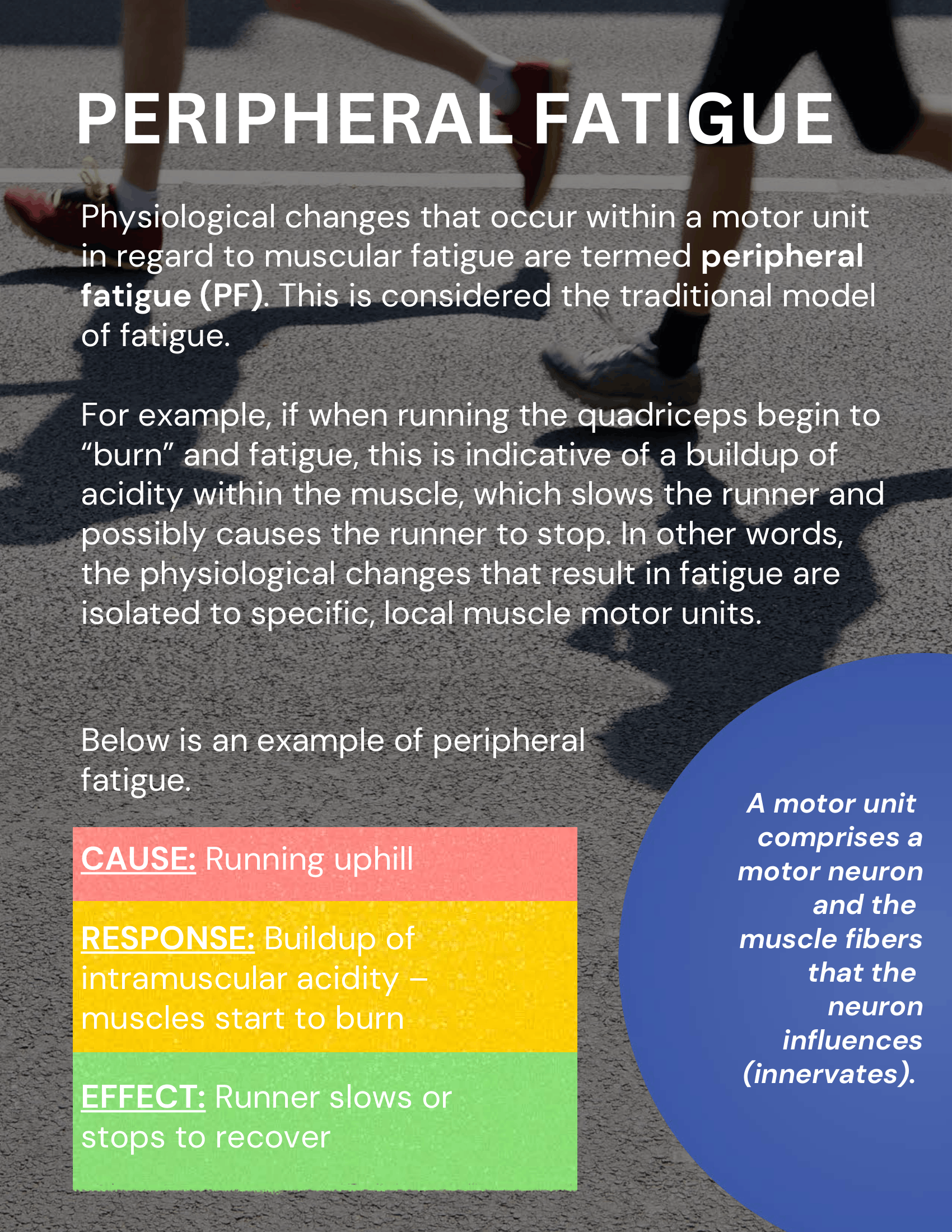
For years, runners have been taught to chase pace.
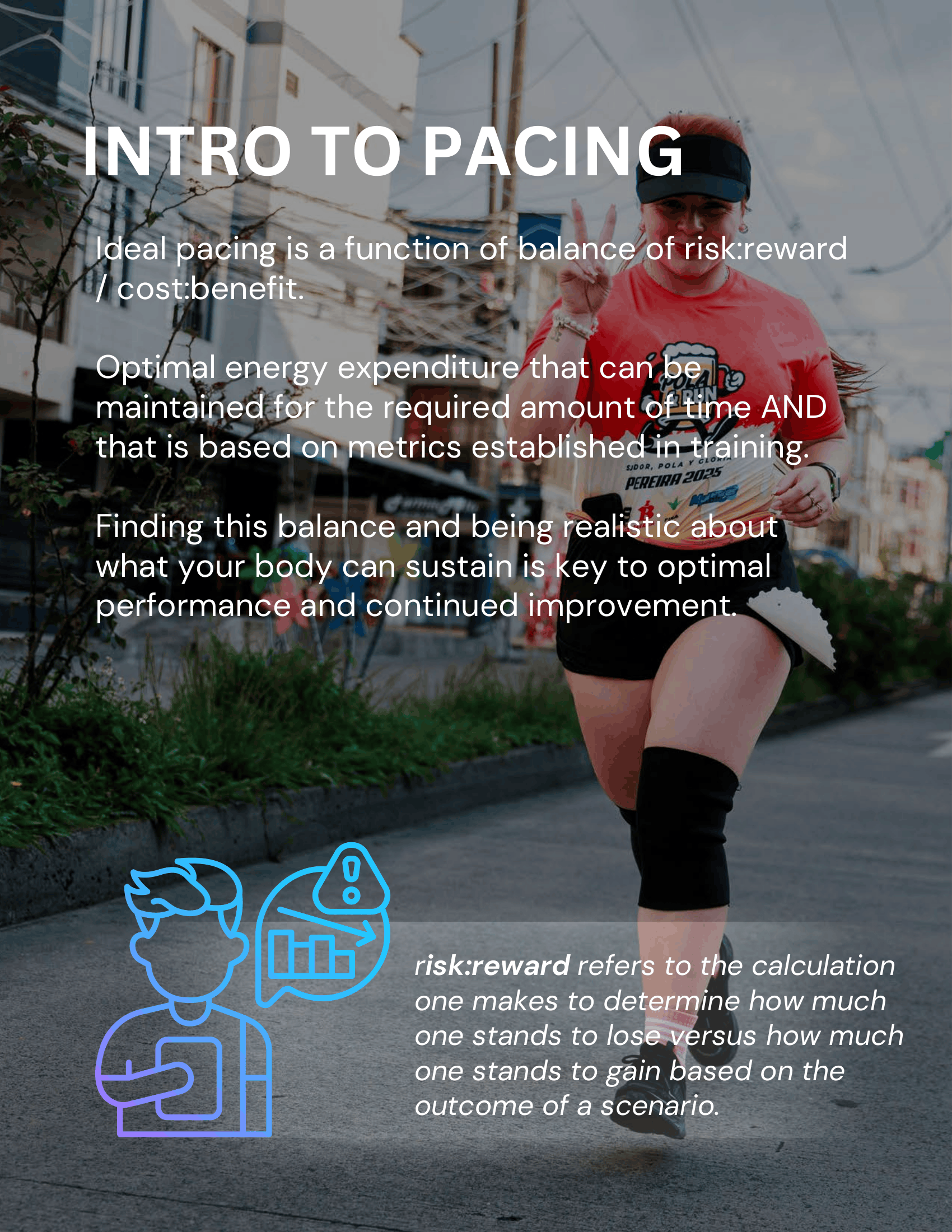
But the longer I coach — and the longer I race ultras myself — the more I believe the real skill is learning how to manage effort.
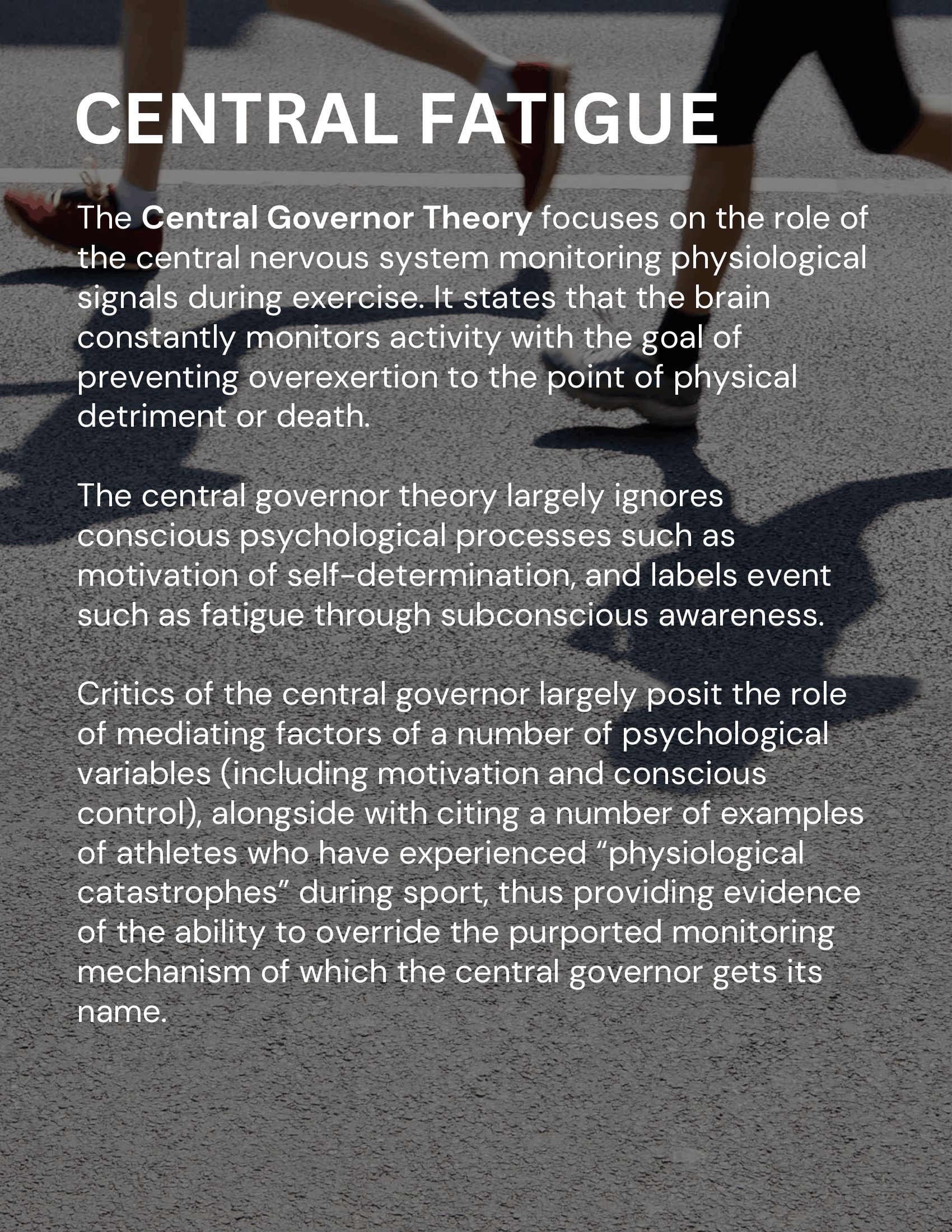
Your body doesn’t know what your watch says.
It knows stress.
It knows fatigue.
It knows recovery.
And it knows whether the effort is sustainable.
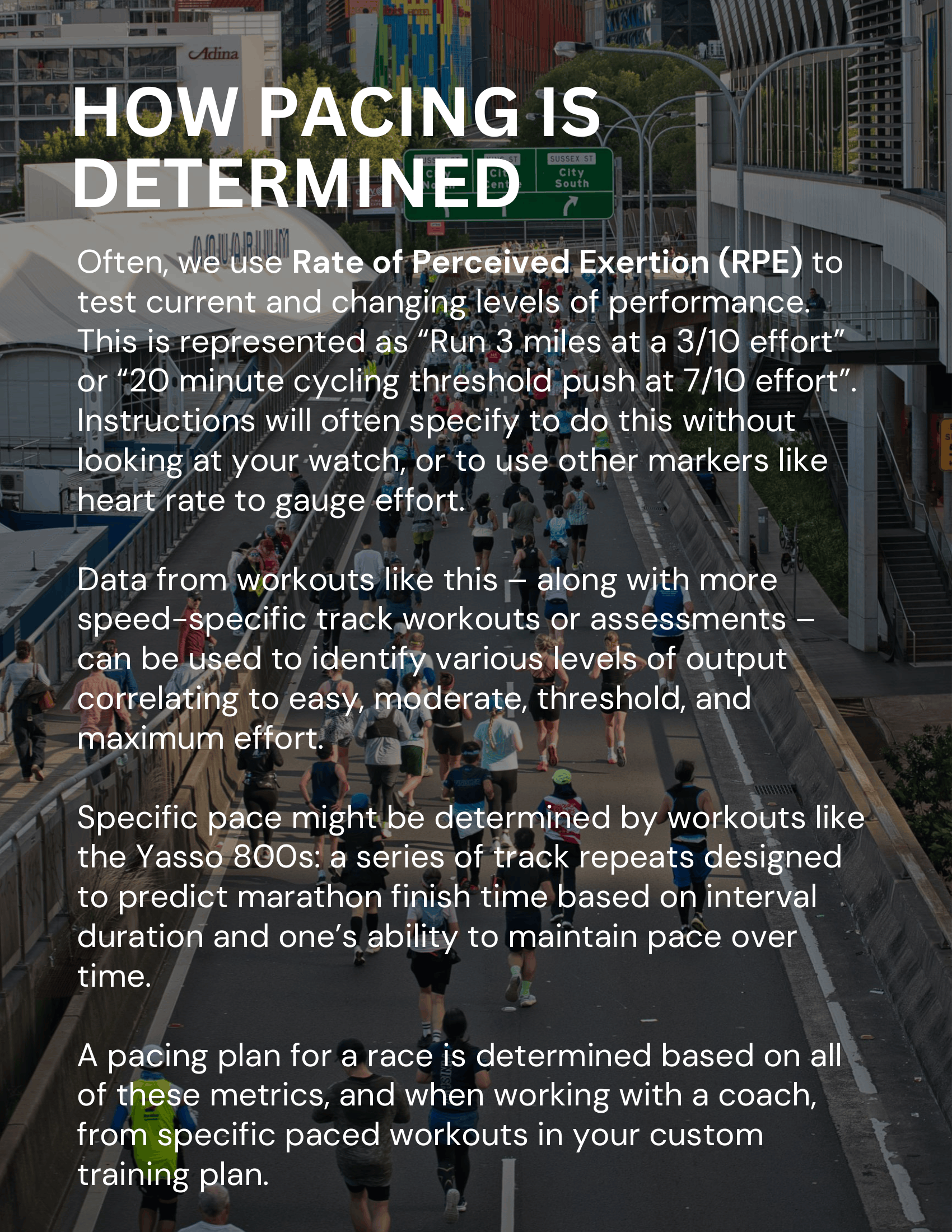
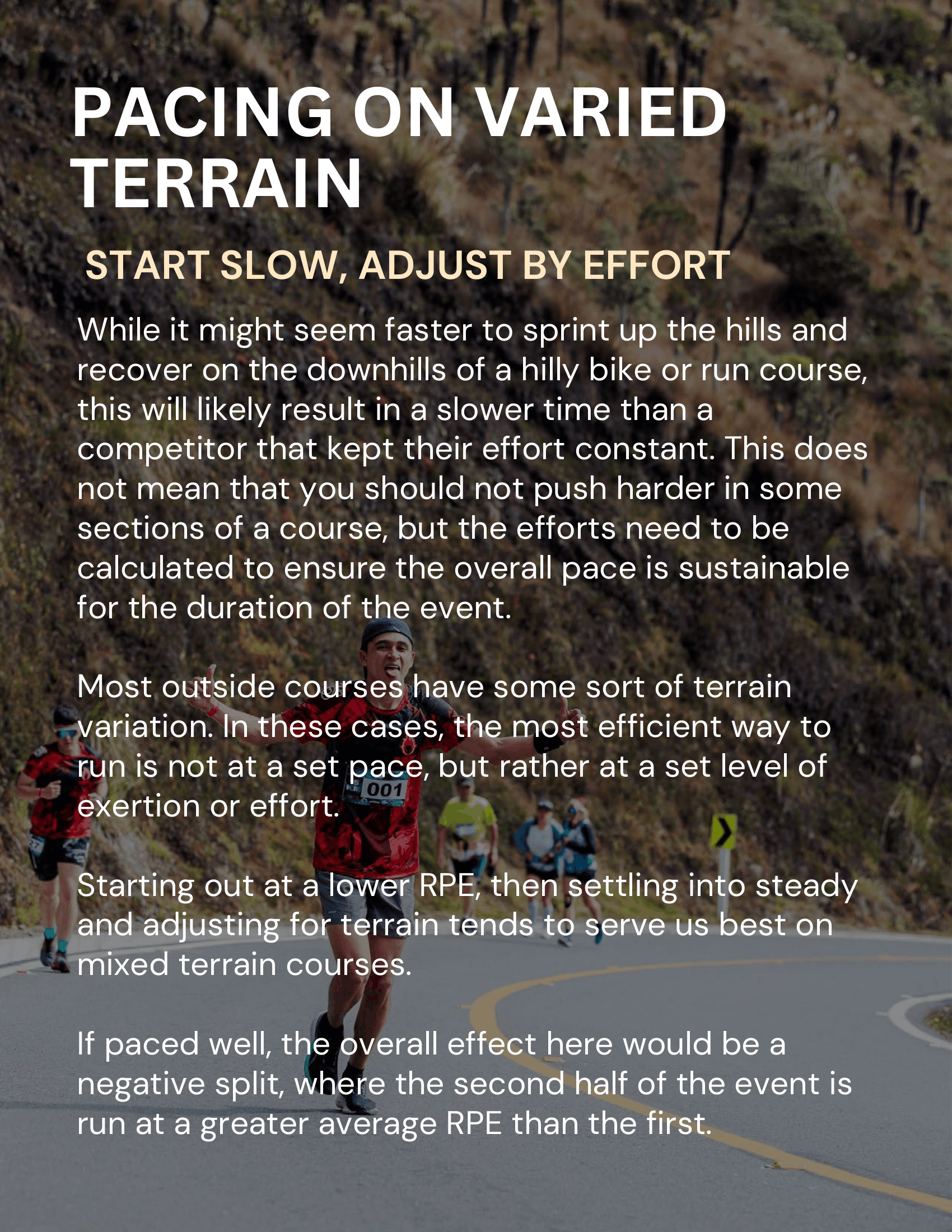
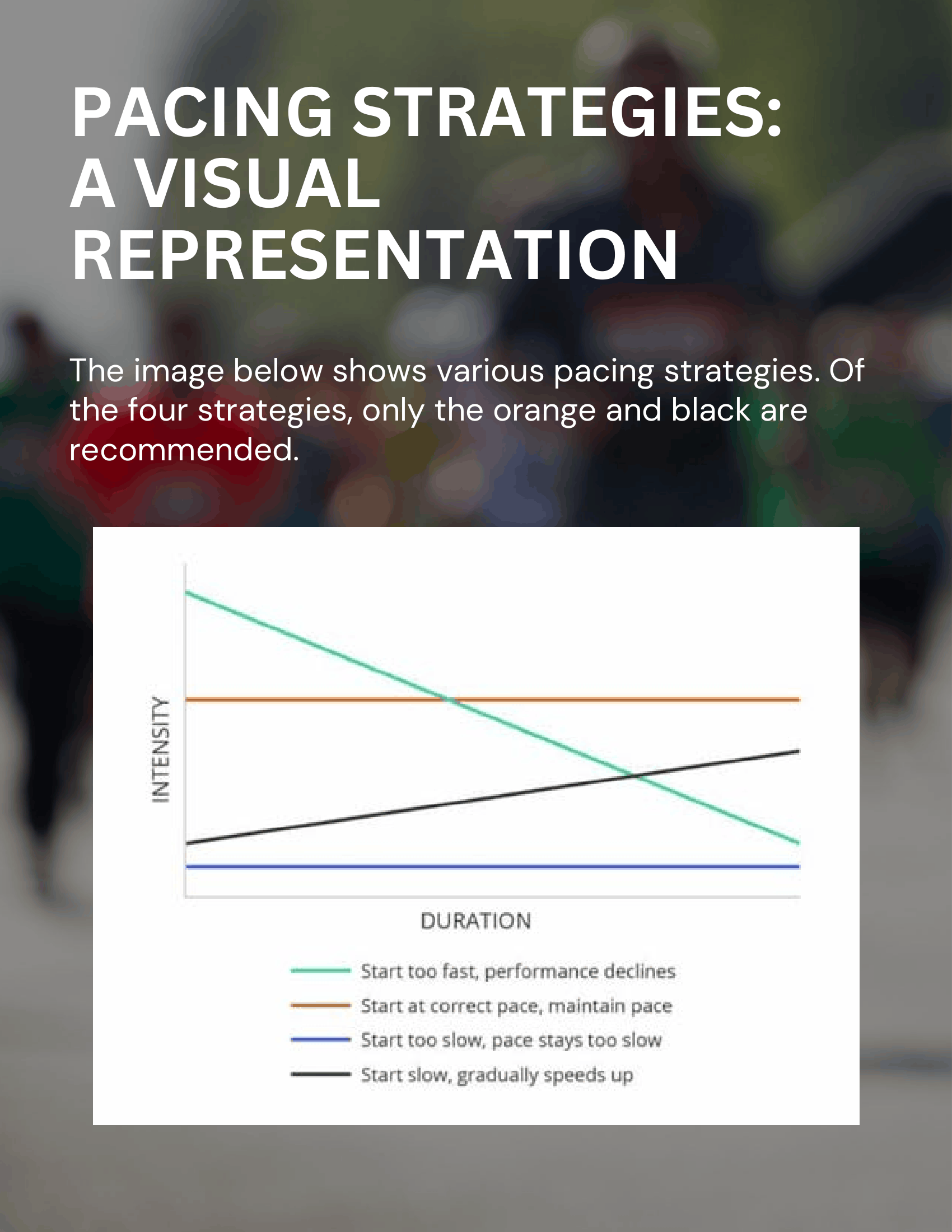
That’s why so much of my coaching focuses on RPE (Rate of Perceived Exertion) rather than forcing rigid pace targets.
Because effort adjusts for:
• hills
• heat
• fatigue
• sleep
• age
• stress
• terrain
• recovery status
An 11:00 pace can feel easy one day and impossible the next.
But a true “2-3 RPE” should still feel conversational and sustainable regardless of what the watch says.
The goal is learning how to pace YOUR body — not someone else’s.
The best endurance athletes aren’t always the fastest athletes.
They’re often the athletes who manage energy, effort, and fatigue the best over time.
That’s where sustainable progress happens.
That’s where confidence is built.
And honestly… that’s where endurance becomes a lot more enjoyable too.
If you want to learn more about how I approach pacing, fatigue, and effort-based training, check out the article below.